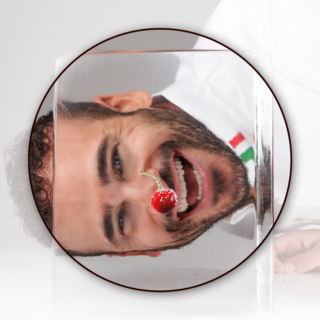

Born in Calabria in 1993 and raised between Southern Italy and Rome, Andrea Restuccia is one of the most interesting interpreters of the new generation of global pastry making, thanks to a highly competitive career.
He was introduced to pastry making as a child, quickly developing a strong passion for technique and creativity. From the age of 19, he embarked on intense professional training, working and honing his skills at various top Italian pastry shops.
His career has been marked by a rapid rise in the world of competitions: in 2016 and 2020 he won the title of Italian Senior Pastry Champion, also winning the selections for the national team.
The breakthrough came in 2021, when – together with Lorenzo Puca and Massimo Pica, and the coach and president of Club Italia, Alessandro Dalmasso – they won the Coupe du Monde de la Pâtisserie in Lyon, bringing Italy to the top step of the world podium, thanks to performances of the highest technical and artistic complexity.
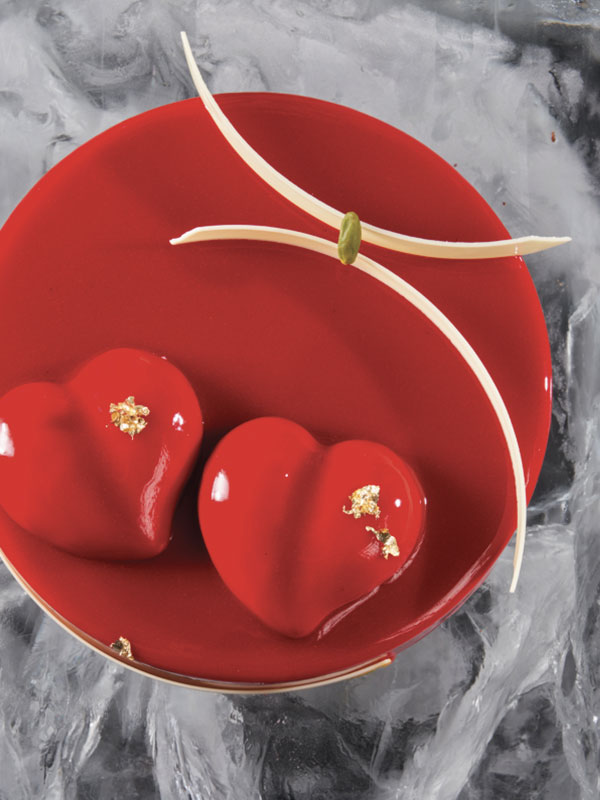
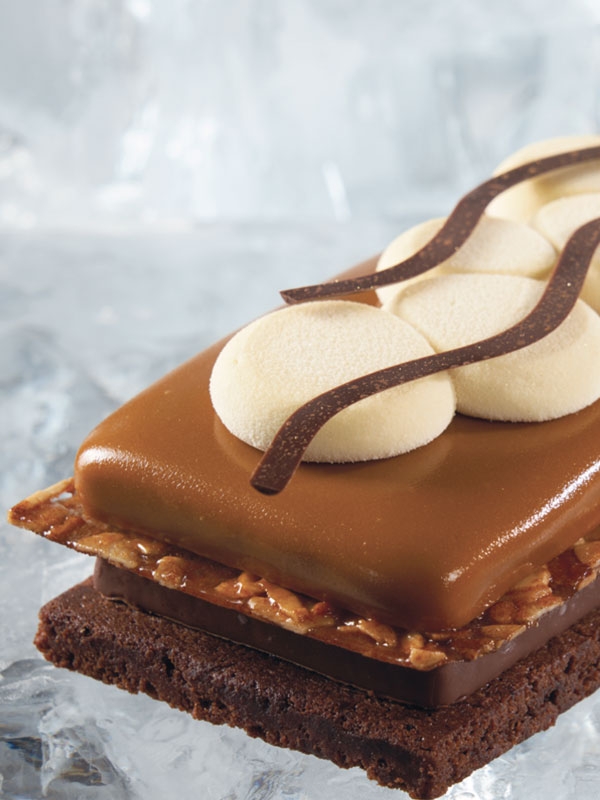
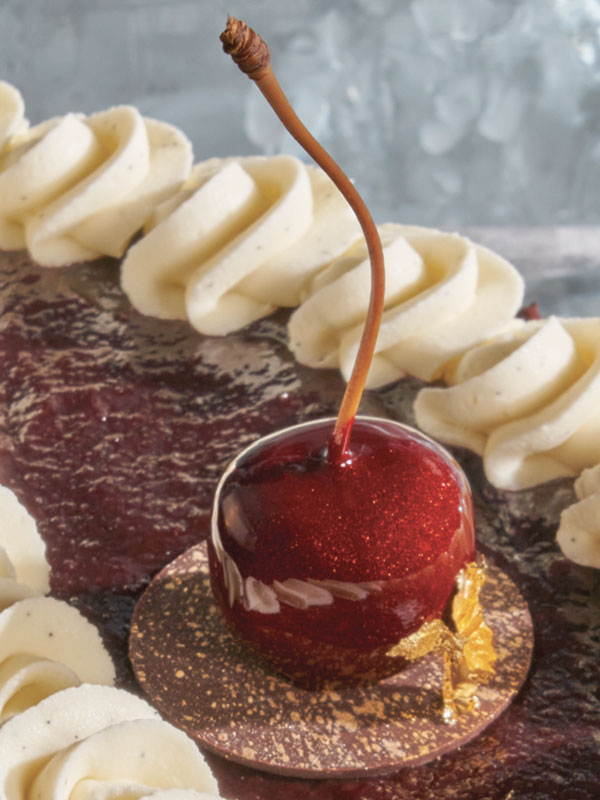
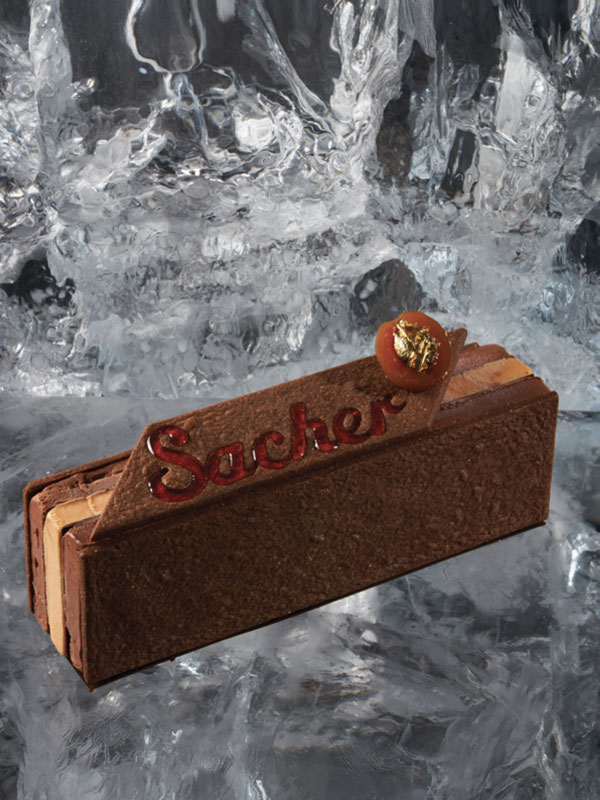
His style is distinguished by the balance between aesthetics, precision and taste, with a special attention to artistic pastry making and complex processes (chocolate, sugar, ice).
Today, Restuccia is active as a teacher, consultant, and trainer for schools and companies, continuing to spread a contemporary vision of pastry and gelato making, based on technical rigor, research, and aesthetic sensitivity. This research also translates into publishing, where Restuccia expresses his thoughts clearly and methodically.
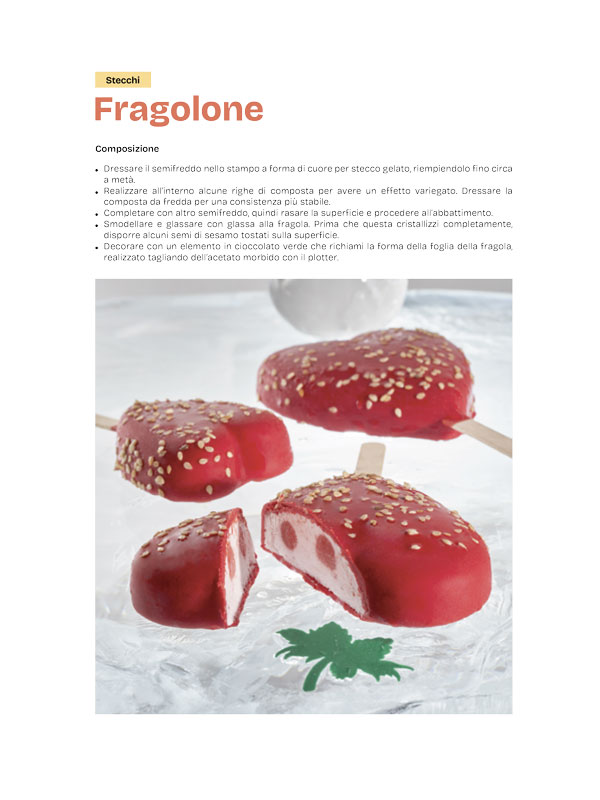
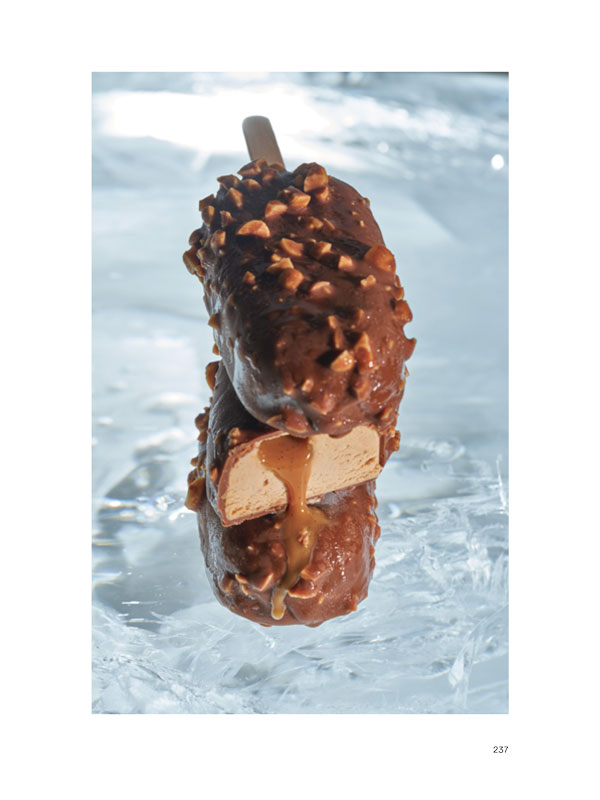
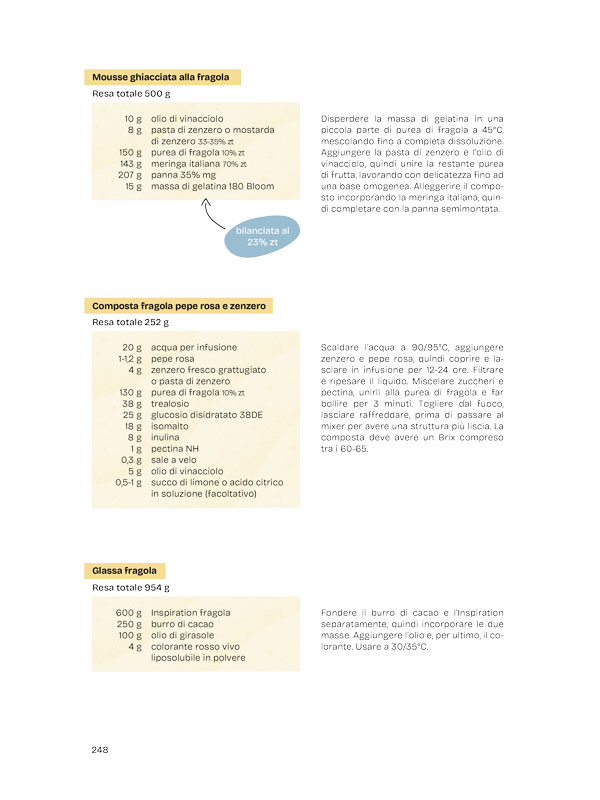
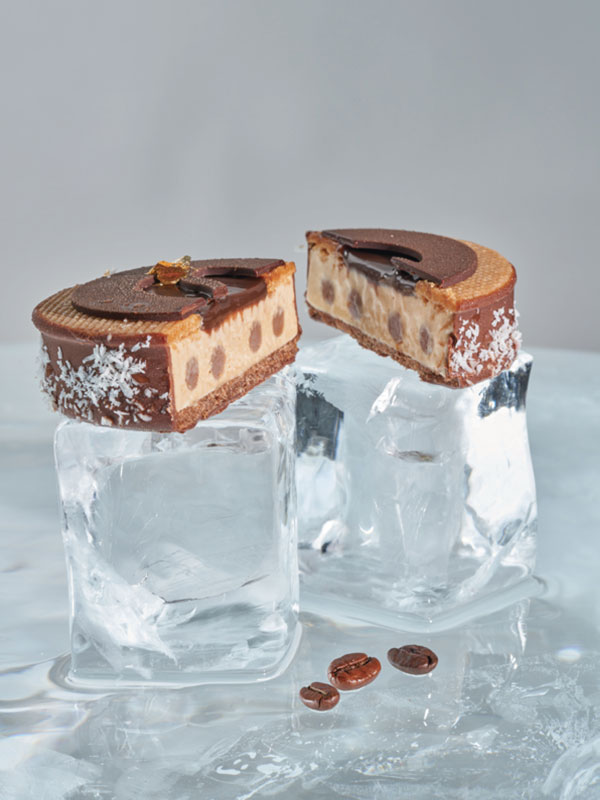
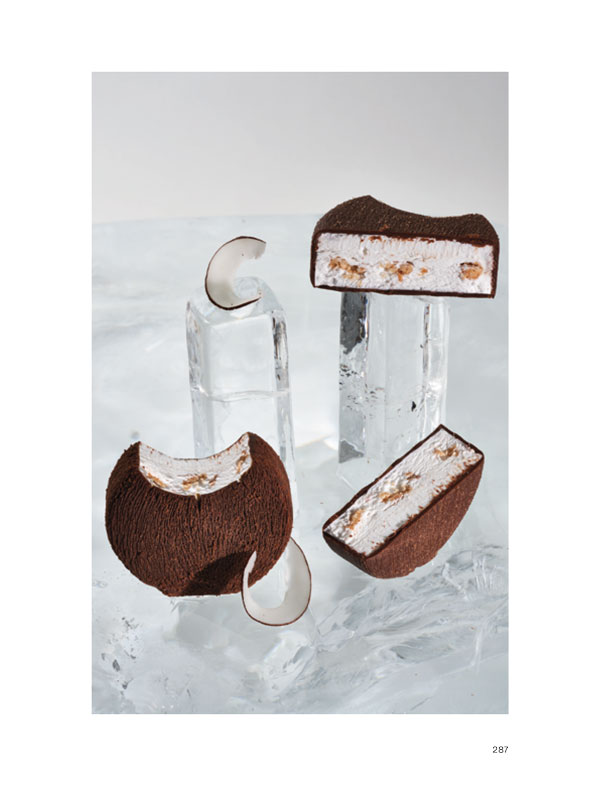
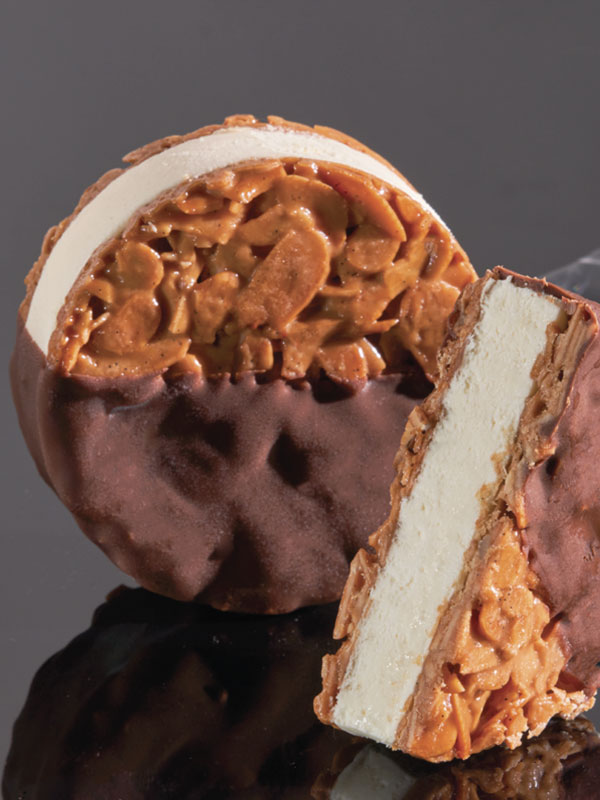
With Glacial – Architecture of Semifreddo He has created a highly specialized work, dedicated to the study of semifreddo from a modern perspective. A technical and design guide, he analyzes the subzero world as a complex system of balances, temperatures, and textures.