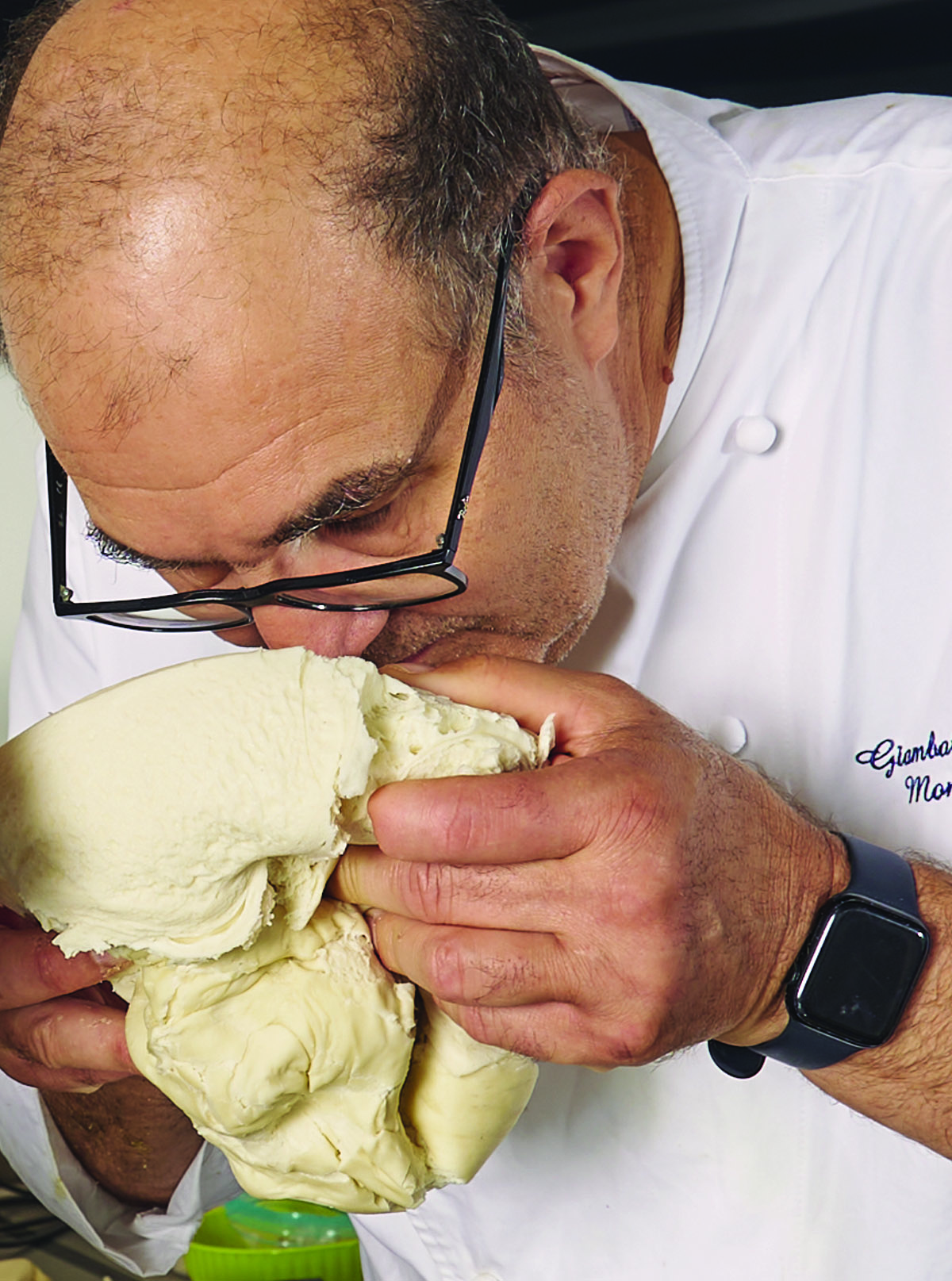
In a crescendo of over 17 years, with his first book pH 4.1, the Author has given a clear identity to leavened dough, disciplining a lot of information often passed down only by word of mouth. With his second, Omnia Fermenta, has delved into the technology of sourdough doughs and explored new territories, demonstrating how necessary it is to update in the laboratory and how much this has been understood by artisans, considering the success of both volumes.
With this third, Montanari further expands, and exponentially, the topic, with research, studies and field tests. A book that is the result of a long gestation and serious teamwork, to ensure maximum clarity, in content and aesthetics, to such vast, technical material.
This third book is therefore the evolution and integration of the two previous ones, to form a "necklace” to consider and study together: each with its own identity, which also tells a precise historical, emotional and cultural moment, to trace the path over the decades and to respond to ever-present needs. Three “milestones” that only Giambattista could tackle, not only for his recognized competence, confirmed and strengthened by his books, but especially for his ability to disseminate, to transmit the fruit of his constant research. With an unmistakable human charge, the Author knows how to conquer every reader, making understandable from all points of view the enchanting matter that is leavening, between science and art.
Even in this third trip his experience, his passion and his curiosity are expressed in the best way, even finding space to host 16 friends, who further enrich the practical contribution, made of traditional and innovative, local and international recipes.
Content Overview
In over 500 pages, we dive into sourdough, with a first chapter dedicated to the characteristics and application of biga, poolish, sourdough starter, and lievitino, also considering microbiological aspects, and then moving on to cold fermentation. The second chapter is dedicated to sourdough starter with soft wheat, durum wheat, rye, rice flour and chickling pea flour; how to start a yeast with cabossa and raw cocoa; osmotolerant sourdough starter and that with wheat germ.
In the third chapter we move on to the methods of management and evolution of the microbiota, to refreshment, to the correct choice of ingredients, to the process of one or more refreshments, to kneading and balancing.
“The choice, management and effects of ingredients on large leavened products” is the title of chapter 4, which takes into consideration dried fruit, candied fruit and oil pastes; spices; aromatic herbs, chocolate, fruit purees, dairy products, coffee and its derivatives, tea and infusions; wine, alcoholic beverages, spirits, spirits; gluten-free flours. Among the structuring ingredients, it is the turn of flours with gluten, sugar and alternative sugars, eggs and lipids; among the functional ingredients, powdered milk, malt flour, malt extract, pre-gelatinized starches and enzymes. The fifth chapter deals with an innovative topic: EPS, or exopolysaccharides.
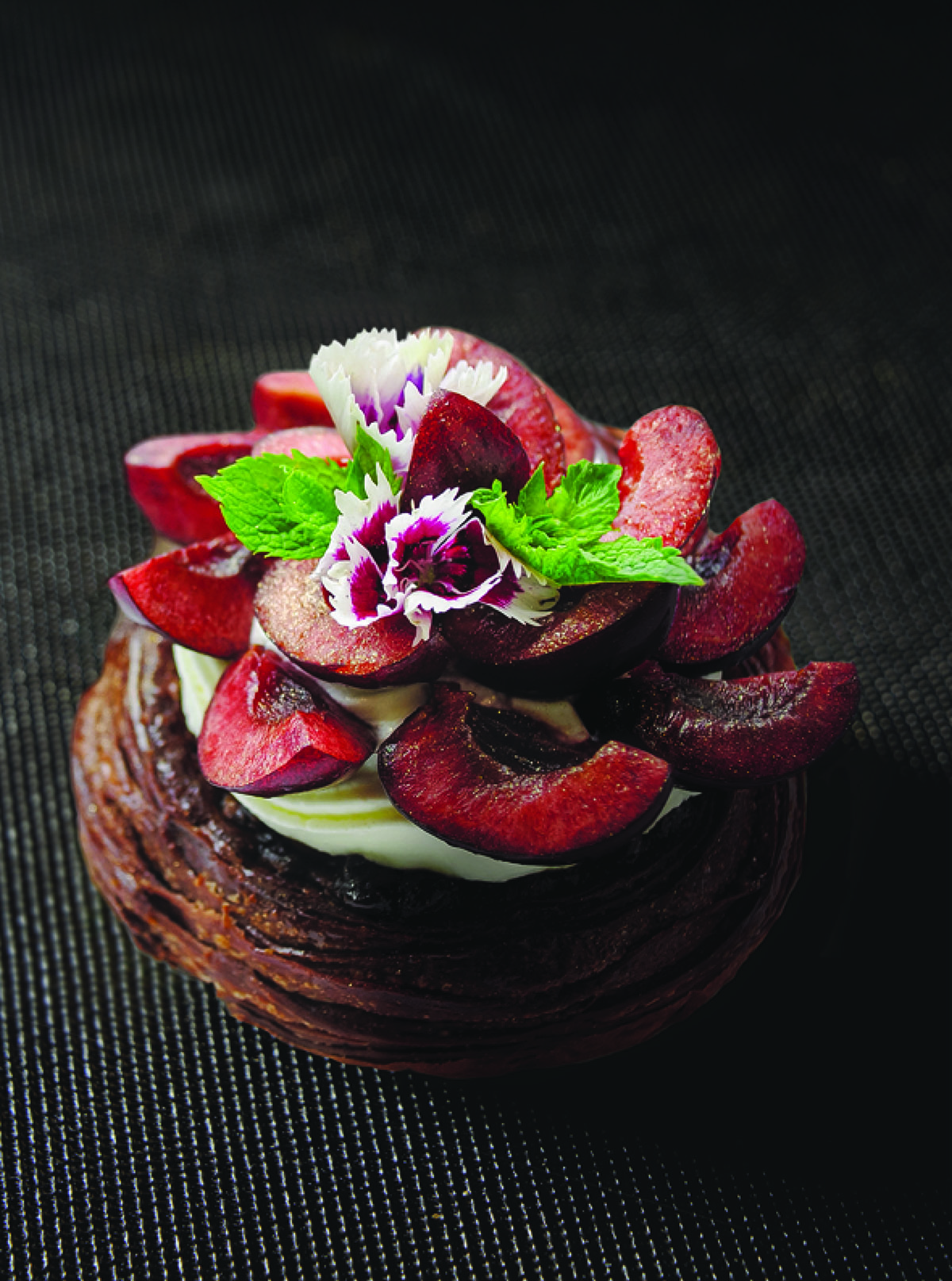
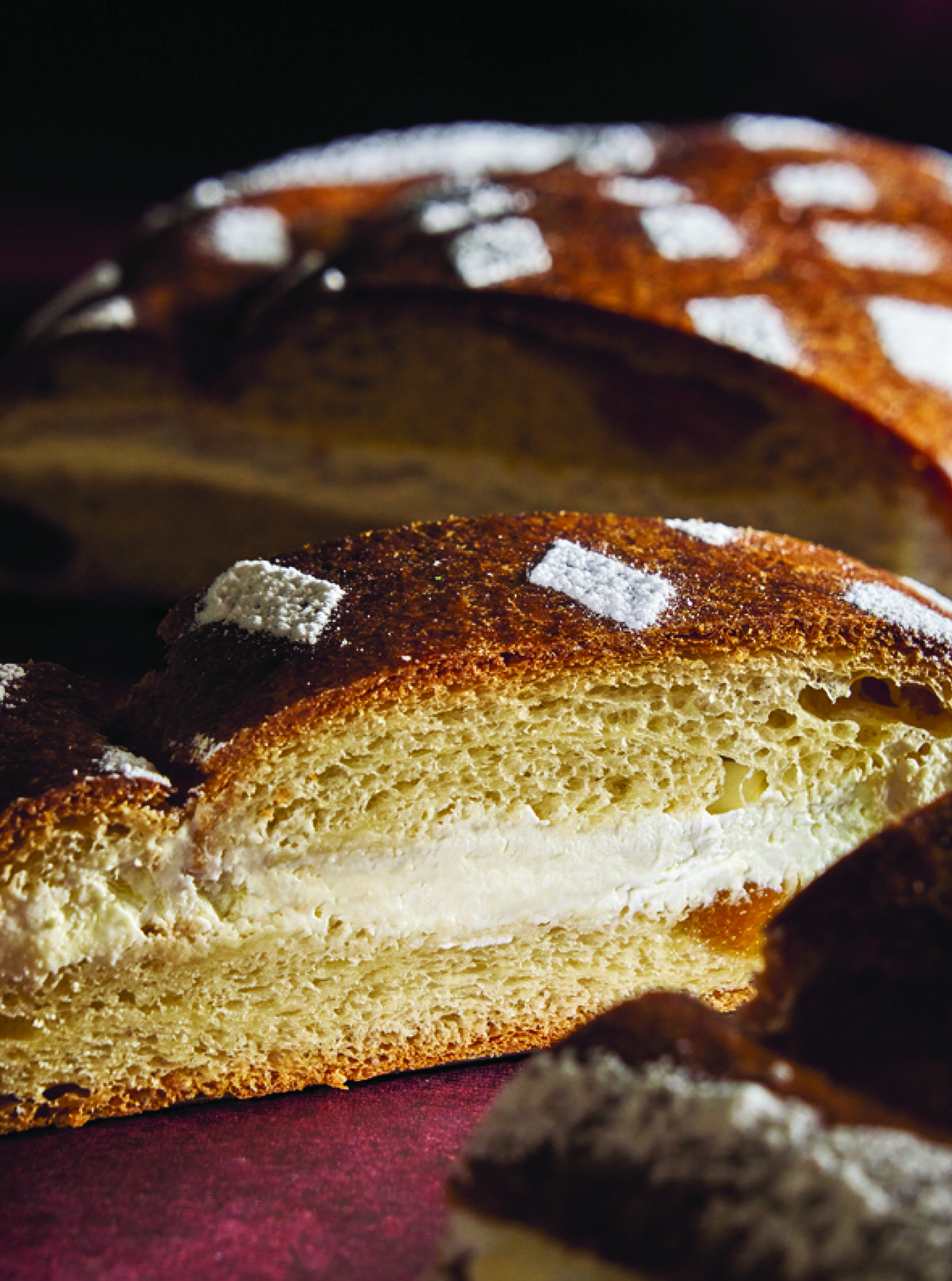
From chapter 6 to 12 there is a succession of recipes, starting with the precious practical intervention of many friends of Montanari (see the box in this article), to then move on to the great leavened products for special occasions, between traditional and unusual panettone, pandoro and traditional sweets, then the signature viennoiserie (considering the puff pastry leavened dough), the savoury pastries, and the use of ferments in bread making and pizza.
In short, a complete volume, capable of enriching the reader with notions, advice and innovative visions, forming a true trilogy with the first two books, to constitute a solid and broadened knowledge of fermented pasta.